Featured
Table of Contents
Every person experiences despair in different ways. Your experience of pain and how you deal with it will certainly depend on different elements. These may include your age, previous experiences with despair and your spiritual or religious sights.
Anticipatory grief means feeling unfortunate before the loss happens. Rather than grieving for the individual, who is still with you, you may really feel despair for the points you won't get to do together in the future. When dealing with a substantial loss, such as the fatality of an enjoyed one, it is natural to really feel numerous strong emotions.
Individuals diagnosed with an incurable ailment and those facing the fatality of a loved one might experience anticipatory sorrow., you might experience many emotions including shock, worry and sadness.
Unburdened Self vs. Performance: Finding Your True Identity Through Therapy in San Francisco
You grieve shed possibilities or experiences you'll miss also little ones, such as the satisfaction of the sunshine or a warm cup of coffee. If someone you love is dealing with a terminal ailment, it is common to experience anticipatory grief in the months, weeks and days prior to fatality. You could regret the exact same things your liked one is grieving, or various losses altogether.
You may really feel anticipatory pain If your liked one is puzzled or unconscious for a lengthy time (e.g. with delirium or mental deterioration). You might really feel that the individual you recognized is already gone, also if they are still physically there. If your loved one has a decline in physical wellness or mobility, you could really feel awaiting sorrow as you lose the possibility to share experiences, such as hobbies, holidays or occasions.
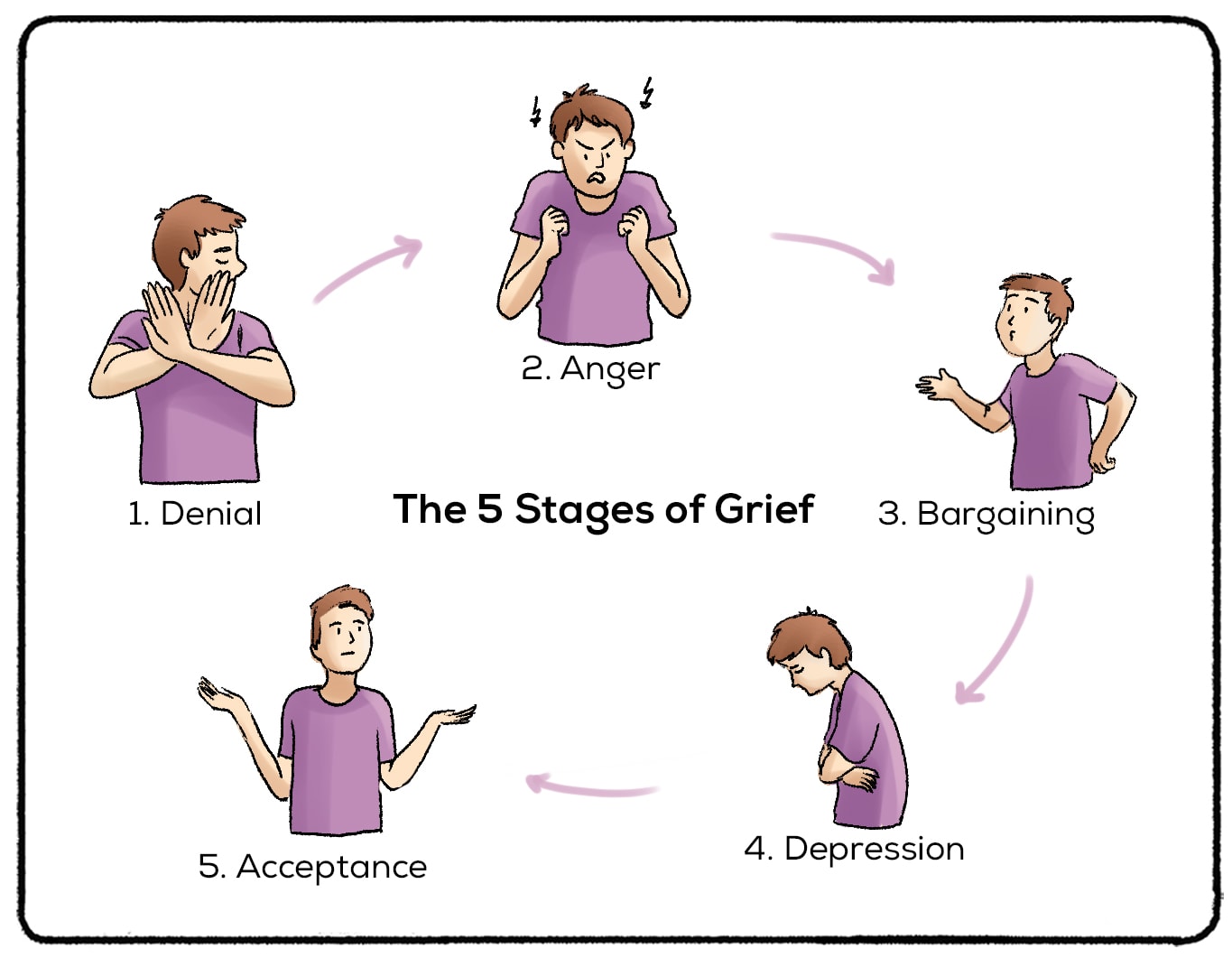
This is specifically true if you spend a great deal of time looking after the person. You may miss out on tasks you made use of to enjoy together and feel pain about the adjustment in your relationship. The nature of your partnership might transform as you take on a carer's role, or become the one being cared for.
Sensations of pain prior to fatality are normal it's crucial to recognise them, and to talk regarding them. Experiencing anticipatory despair does not always suggest that you will grieve your loved one any kind of less after they are gone.

See the CareSearch internet site for web links to palliative care and end-of-life information in a series of neighborhood languages. Call Carer Gateway on 1800 422 737 for sources to support for Aboriginal and/or Torres Strait Islander carers and communities. CareSearch supplies information on understanding bereavement, end of life and palliative care demands of the LGBTIQA+ area. In reality, we do not experience sensations of despair one at a time or in a particular order. You may experience these things because they are all regular sensations of grief.
It's typical to really feel various other points also, such as shock, stress and anxiety, fatigue, or regret. Some individuals really feel numb after the death of an individual they appreciated. They may even try to continue as though nothing has occurred. If you experience this, it can be because it's just too unsubstantiated that the person you know so well is not coming back.
Transforming Self-Critical Patterns
Possibly they assure themselves that they will certainly now always do (or not do) something, thinking that it could make the person that has actually died come back. People might additionally find that they keep going back over the past and ask whole lots of 'what if' inquiries, wanting that they might go back and transform points so that they could have turned out differently.
These sensations can be really intense and uncomfortable, and they might come and go over lots of months or years. Yet the majority of people discover that unpleasant sensations similar to this become much less strong in time. If you do not feel this is the situation for you, after that you should ask for assistance.
Her model came to be widely accepted as a way to understand despair, but with time, despair counsellors and researchers broadened upon it, causing the development of the. This prolonged model includes additional emotional responses that people may experience: The initial reaction to loss commonly brings shock and disbelief. This phase acts as a safety mechanism, permitting us to soak up the reality of our loss in workable dosages.
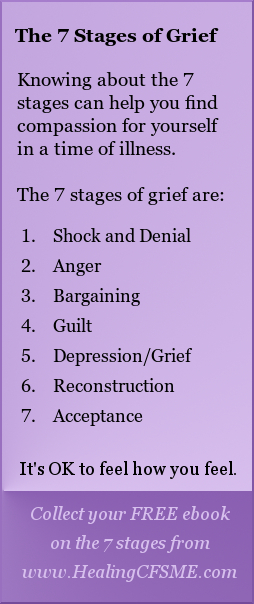
Sensations of remorse or sense of guilt may arisewondering if you can have done something in a different way, or sensation sorrow over things left unsaid. Sorrow can materialize as angertoward on your own, others, or even the individual who has passed.

Latest Posts
Empowering Your Partner Through Solo Recovery with Acceptance and Commitment Therapy
Trauma-Aware Anxiety for Adverse Experiences
Internal Family Systems within Diverse Cultural Contexts